
Explore our blog for helpful articles about UV safety, weather updates, and healthy outdoor living. Stay informed and make every sunny day a safe one!
Popular articles
Photo by Jonathan Borba on Unsplash
UV forecasts can inform your plans for the day and help you assess how safe you’ll be when you carry them out. They can also assist with your sunscreen use, outdoor activities, shade, and timing. However, when making plans that revolve around UV forecasts, it’s only natural to be curious about their accuracy. Keep reading to learn more about what contributes to their accuracy and when they may be less accurate.
UV Forecasts Are Usually Reliable
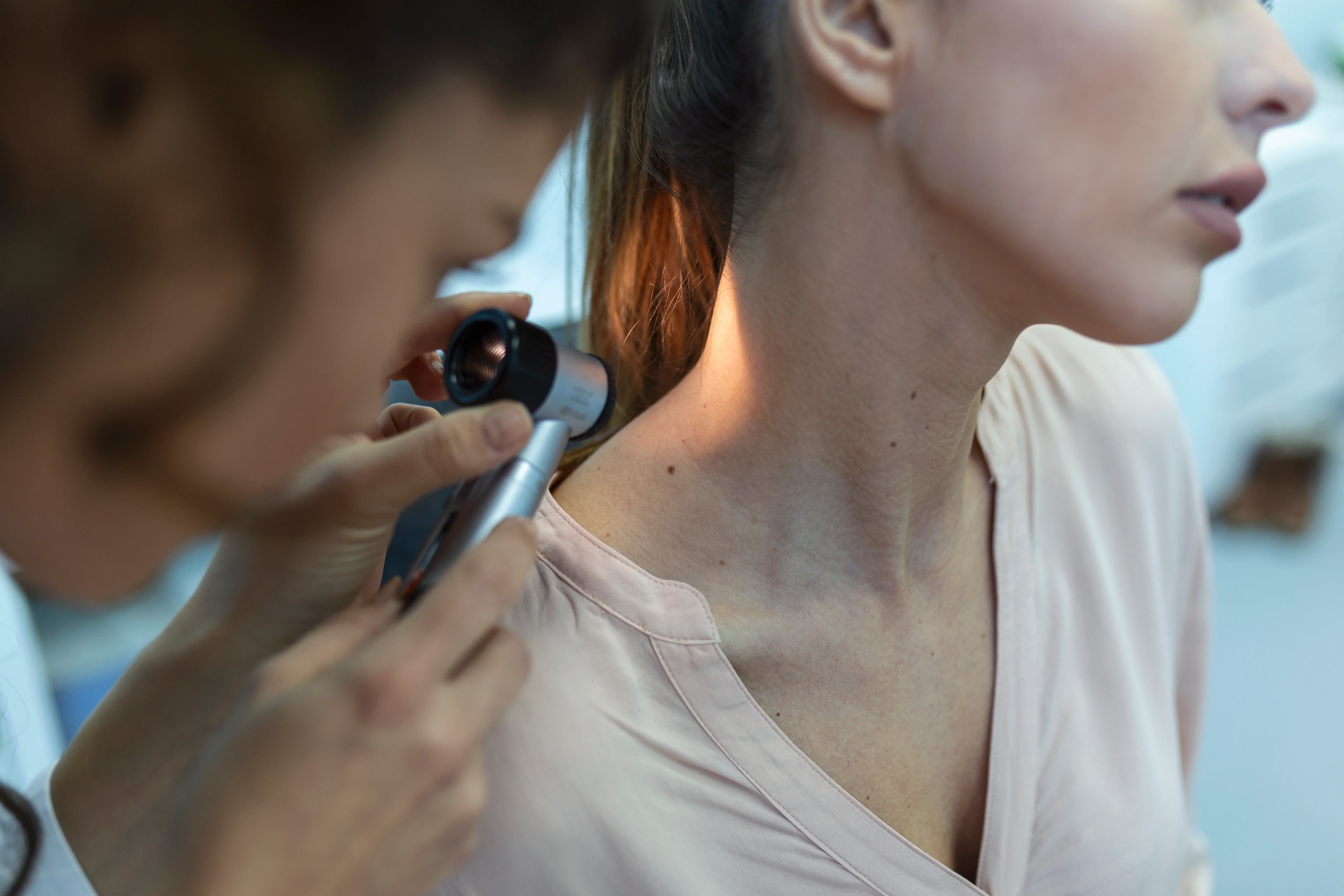
The UV Index isn’t just useful for beachgoers and outdoor workers. It’s a valuable tool for healthcare professionals whose roles revolve around prevention. For example, nurses enrolled in an MSN family nurse practitioner online program program may rely on this resource to provide education on sun safety, skin cancer prevention, and the risks of long-term UV exposure, so its reliability is required.
Fortunately, UV forecasts are generally reliable to within +1 UV Index level for the day you require the information or the next day. That level of accuracy helps you make sun safety decisions, such as how much sunscreen to apply, how long you’ll spend outdoors, and how much shade to seek.
UV radiation depends on a range of factors that scientists can accurately model, including sun angle, ozone levels, and elevation. The sun angle is very predictable, based on latitude, time of day, and time of year. As a result, the baseline UV level is highly accurate.
Ozone levels are well monitored to ensure accuracy. Atmospheric ozone absorbs UV radiation, and satellites continuously measure ozone thickness. This information is fed directly into UV forecast models. Elevation is a fixed data type. Scientists can account for this data because UV increases by about 6% to 10% per 1,000 feet of altitude.
When Are UV Forecasts Less Accurate?
While we have robust data on solar angle, ozone levels, and elevation, there are situations in which UV forecasts can be less accurate. The most uncertainty comes from clouds and local conditions.
The main source of error is cloud cover. Thick clouds can reduce UV radiation, whereas broken or thin clouds can increase it. As cloud patterns can be fast-changing, their patterns aren’t always easy to predict. As a result, you may notice that a UV level can be higher than forecast on a partly cloudy or cloudy day.
Surface reflection also reduces accuracy. Some surfaces reflect UV light back to you, including snow, sand, water, and concrete. With snow, the reflection can increase by up to 80%. Finally, the accuracy of UV levels on a UV Index Scale can be affected by local pollution or haze. Pollution or haze can slightly reduce UV levels, but the effects vary by day and by city.
Comparing Today to Multi-Day Levels
If you’re planning outdoor activities over multiple days, it’s natural to check a long-term UV forecast and adjust your plans accordingly. However, accuracy varies when comparing the UV forecast for today with that for the days ahead.
The UV forecast is considered highly accurate for the day of your planned activities and for 24 hours thereafter. However, it’s less precise 2-3 days out. Beyond three days, the forecast is best treated as a rough guide.
UV forecasts are highly accurate, with multiple data sources used to generate them. However, it’s worth being aware of what can make them less accurate so you can plan your outdoor activities accordingly.