Explore our blog for helpful articles about UV safety, weather updates, and healthy outdoor living. Stay informed and make every sunny day a safe one!
Popular articles
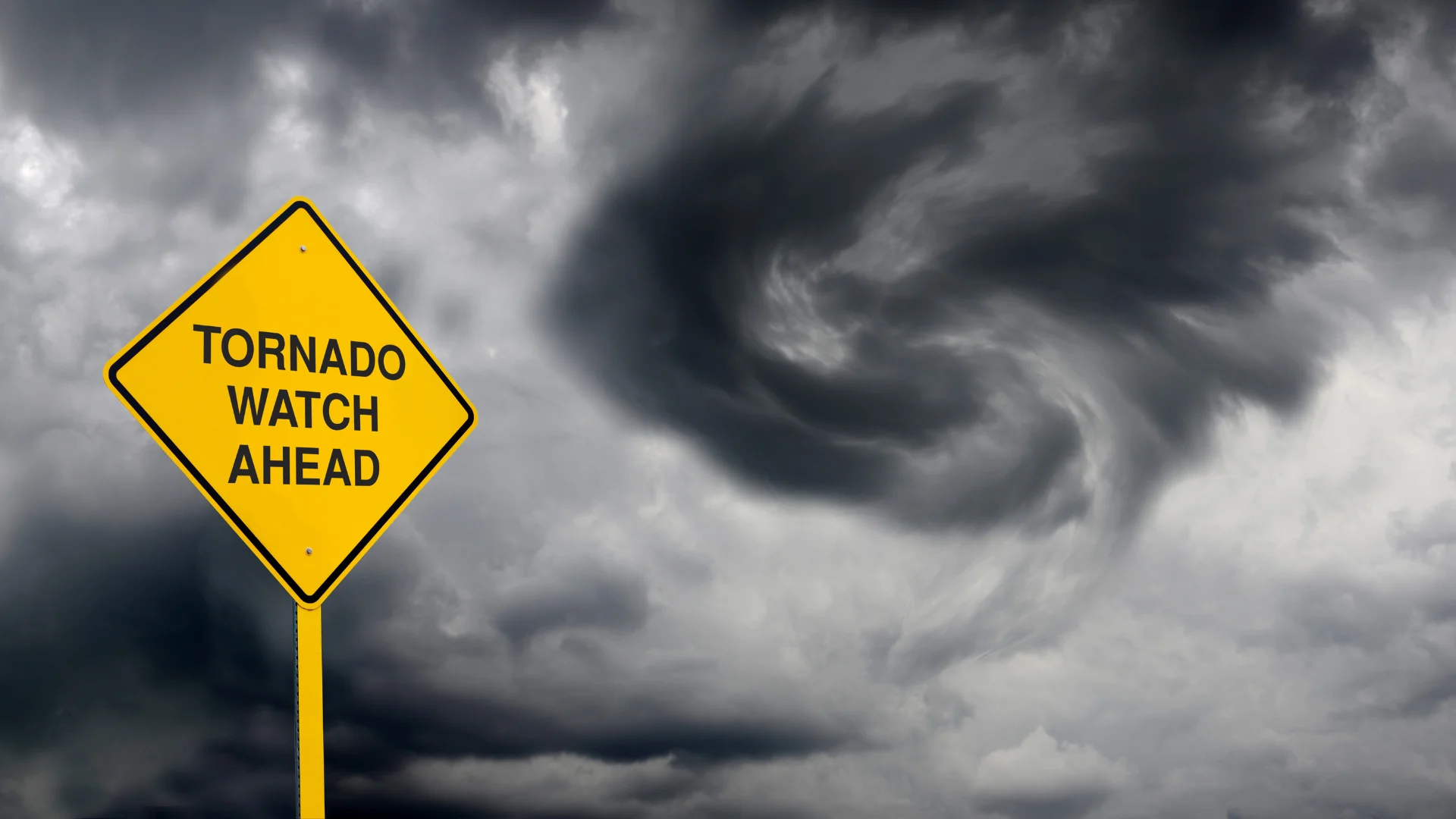

Tornadoes are some of nature’s most powerful and unpredictable forces, capable of causing severe damage in just minutes. Understanding tornado alerts is essential for safety, and one term that often causes confusion is a "tornado watch." In this post, we will explain what is a tornado watch, how it differs from a tornado warning, the different types of watches, and practical steps you should take when one is issued.
What is a Tornado Watch?
A tornado watch is an alert issued by the National Weather Service (NWS) or other meteorological agencies indicating that weather conditions are favorable for the development of tornadoes. Unlike a tornado warning, which signals an immediate threat, a tornado watch does not mean a tornado is occurring right now. Instead, it warns that tornadoes are possible in the designated area, often over several hours.
When people ask what is a tornado watch mean, it’s essentially a “heads-up.” It tells you to stay alert, monitor weather updates, and be ready to take action if conditions worsen. Meteorologists issue tornado watches based on several key atmospheric factors, including wind shear, humidity, temperature changes, and storm formation patterns.
What is the Difference Between a Tornado Watch and a Tornado Warning?
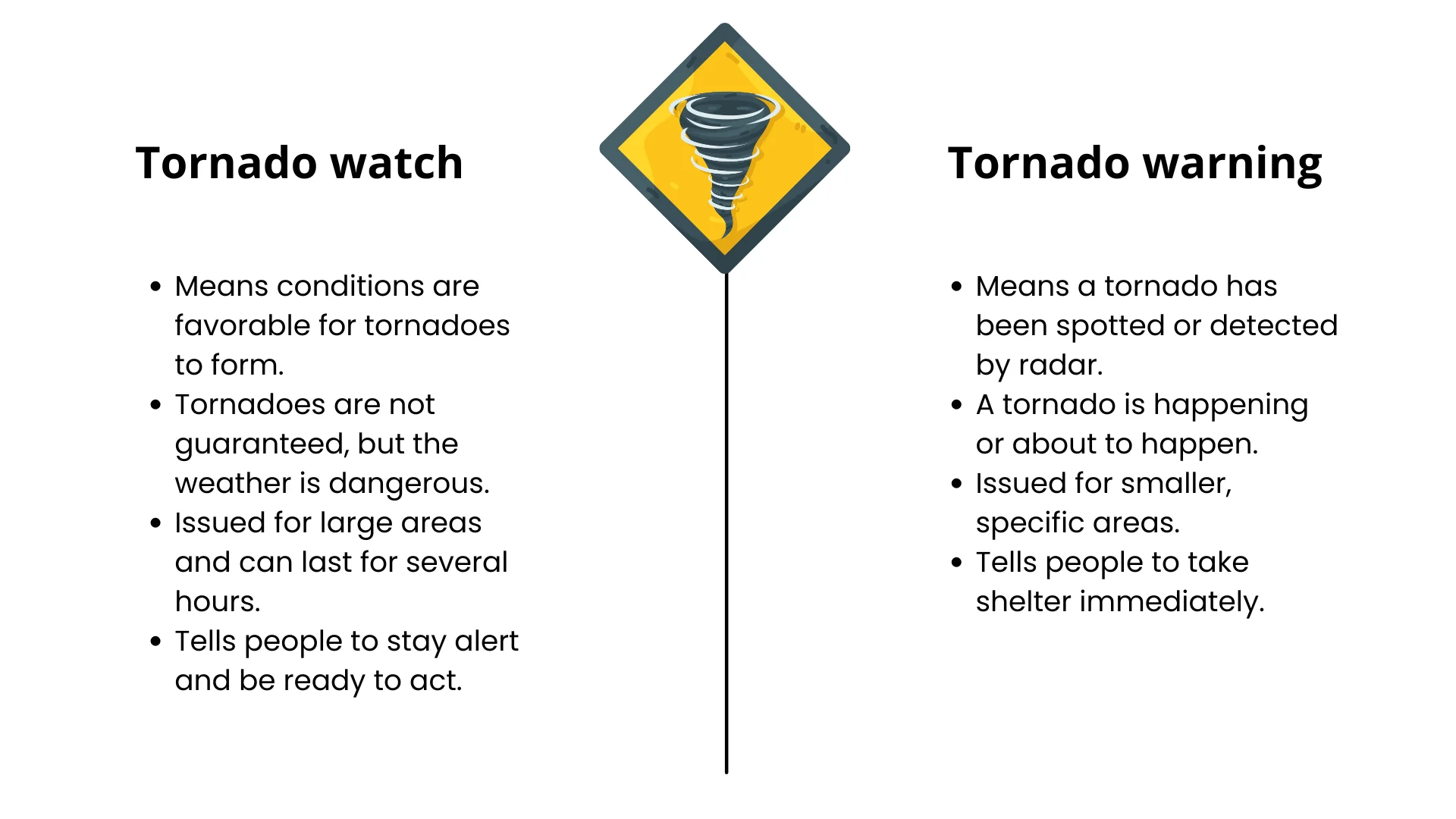
Confusion often arises between tornado watches and warnings. So, what is a tornado watch vs warning? A tornado watch is about potential, while a tornado warning is about immediate danger. In other words:
- Tornado Watch: Tornadoes are possible; stay alert and monitor weather.
- Tornado Warning: Tornadoes have been sighted or detected by radar; take cover immediately.
Some people ask what is worse, a tornado watch or warning?
The answer is clear: a tornado warning is more severe because it indicates that a tornado is imminent or already occurring. Understanding the difference between a tornado watch and warning can save lives by helping people respond appropriately to changing weather conditions.
Types of Tornado Watches
There are different levels of tornado watches depending on severity. For example, a PDS tornado watch stands for “Particularly Dangerous Situation.” This type of watch is issued when there is a high risk of strong or violent tornadoes. While a standard tornado watch indicates that tornadoes are possible, a PDS tornado watch highlights that extremely dangerous tornadoes are likely, and residents should take extra precautions.
Tornado watches are typically issued for large areas and can cover multiple states. Meteorologists continually monitor storms within these watches and will issue tornado warnings if a tornado is spotted or detected by radar. This system of layered alerts helps communities prepare for severe weather without causing unnecessary panic.
How Long Does a Tornado Watch Last?
Tornado watches can last anywhere from a few hours to much longer, depending on the size and speed of the storm system. They are usually issued in blocks of three to eight hours but may be extended if conditions remain favorable for tornado development. During this period, it’s crucial to stay informed via weather apps, television, or radio alerts.
Historical Context of Tornado Watches
The concept of a tornado watch was first introduced in the United States in 1952, after meteorologists recognized the need to warn communities in advance of potential tornado activity. Before tornado watches existed, residents often had little or no warning, which contributed to higher fatalities. Today, modern radar technology and forecasting allow meteorologists to predict tornado-favorable conditions hours in advance, giving people more time to prepare.
What Should You Do During a Tornado Watch?
Knowing what is a tornado watch is only useful if you act on it. Here are essential steps to take:
- Stay Informed: Monitor local weather reports and updates from the National Weather Service.
- Prepare a Safe Space: Identify a basement, storm shelter, or interior room without windows.
- Gather Emergency Supplies: Keep water, food, flashlights, and a first-aid kit ready.
- Plan Ahead: Make sure all family members know where to go in case of an emergency, such as a designated safe room or evacuation location. Establish clear communication methods, including phone numbers, text messages, and alternative contacts. Practice emergency drills regularly so everyone understands the plan and can act quickly under stress. Consider preparing a written or digital emergency plan that outlines roles, meeting points, and important supplies to take.
- Avoid Unnecessary Travel: Be ready to act quickly if the watch escalates to a warning.
Even if a tornado does not occur during the watch, severe thunderstorms, hail, and strong winds can still pose significant dangers. Staying vigilant ensures you are ready for any weather-related hazards.
Interesting Facts About Tornado Watches
- Tornado watches are most common in “Tornado Alley,” which includes parts of Texas, Oklahoma, Kansas, Nebraska, and South Dakota.
- On average, the U.S. experiences over 1,200 tornadoes annually, making these watches a critical tool for public safety.
- A tornado watch can cover areas as large as 25,000 square miles, emphasizing the potential scale of severe weather.
- Watches are issued even when tornadoes may not form, but thunderstorms and strong winds still pose hazards.
- Modern tornado watch alerts often come through multiple channels, including smartphone notifications, weather apps, and social media updates, ensuring that residents can act quickly.
What is a Tornado Watch in Comparison to Other Alerts?
People frequently ask what is a tornado warning vs watch. A tornado warning is issued when a tornado has been sighted on the ground or indicated by radar, meaning immediate action is necessary. In contrast, a tornado watch, while important, is a precautionary alert allowing residents to prepare. Another common question is what is worse, a tornado warning or a tornado watch. The answer is that warnings are always more urgent since they indicate imminent danger, whereas a watch is about potential risk.
Why Understanding Tornado Watches Matters
Understanding what is a tornado watch is vital for anyone living in tornado-prone areas. It is a preventive alert that warns residents of favorable conditions for tornado formation, giving people time to prepare and stay safe. Always remember that what is worse, a tornado watch or warning, is context-dependent, but a warning is far more immediate and dangerous.
Knowing the difference between a tornado watch and a tornado warning, staying informed, and having an emergency plan in place can make the difference between safety and disaster. Tornadoes may be unpredictable, but preparation and awareness are always in your control. By taking tornado watches seriously, you can reduce risk and protect yourself, your family, and your property from the devastating impact of tornadoes.