Explore our blog for helpful articles about UV safety, weather updates, and healthy outdoor living. Stay informed and make every sunny day a safe one!
Popular articles
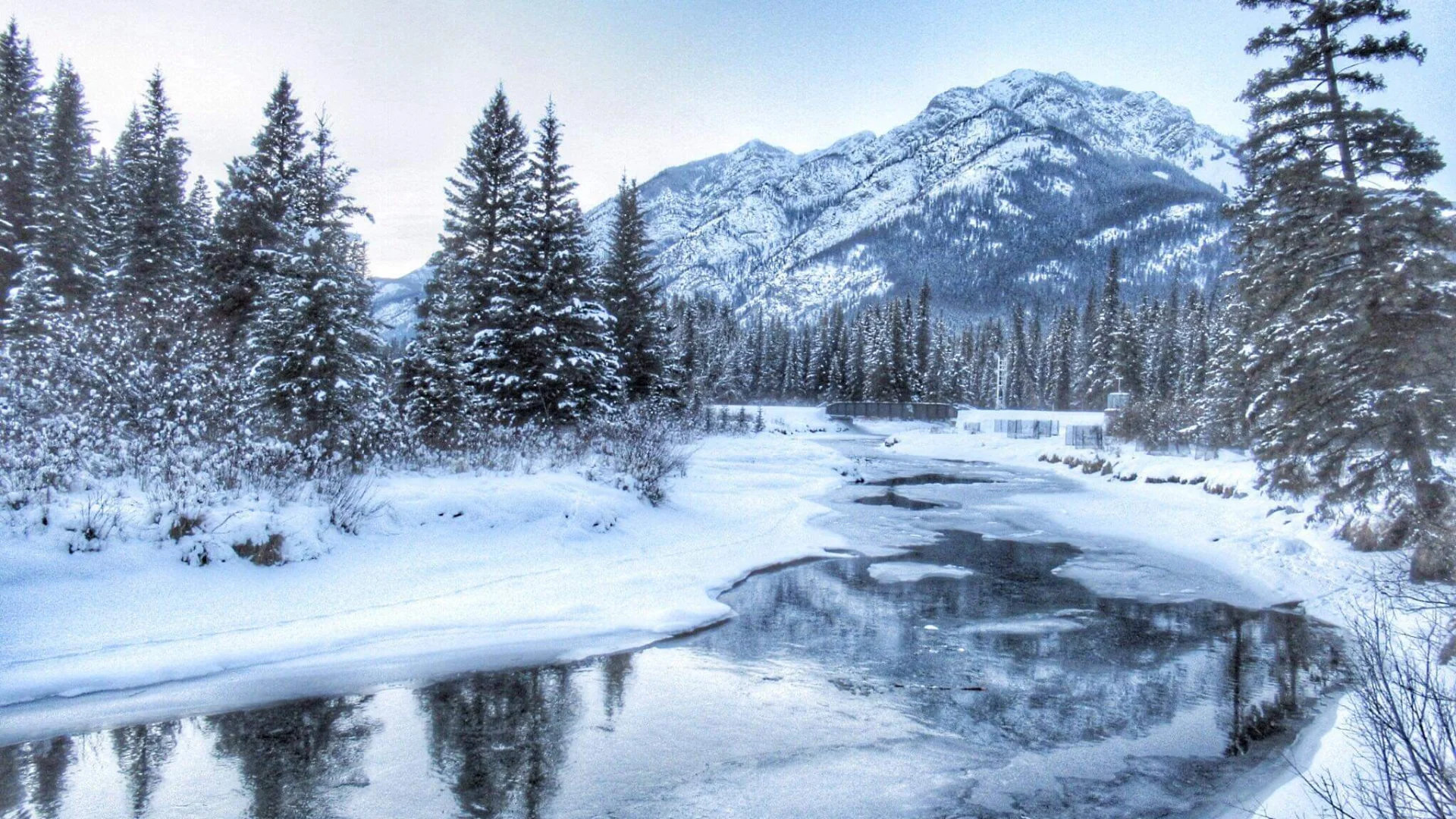
Earth is home to a wide range of climates, from tropical heat to freezing polar conditions. Among these extremes, the coldest place on Earth stands out for its harsh, frigid environment that challenges both humans and wildlife. Understanding where and why this extreme cold exists not only fascinates scientists but also provides insight into the limits of life and survival on our planet.
What is the Coldest Place on Earth?
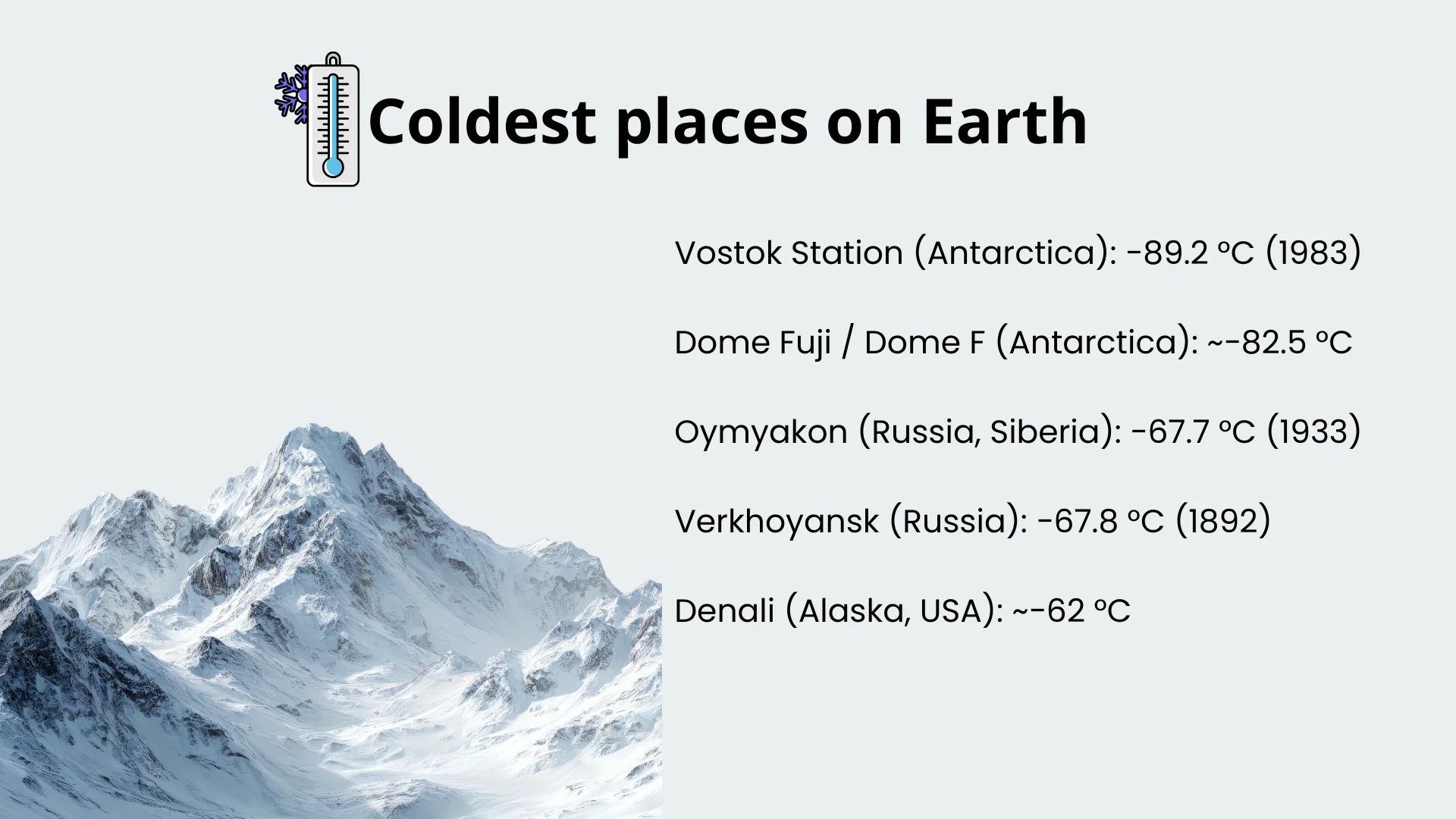
When people ask what is the coldest place on Earth, the answer is typically Antarctica, specifically the East Antarctic Plateau. Temperatures here can drop below −128 degrees Fahrenheit (−89 degrees Celsius), which is the coldest temperature ever recorded on the planet. Scientists using satellite data have even observed temperatures approaching −144 degrees Fahrenheit (−98 degrees Celsius) in certain ice valleys during the polar winter.
This extreme cold is primarily due to the combination of high altitude, clear skies, and the reflective surface of the ice, which prevents the ground from absorbing heat. Additionally, the long polar nights, which last for months, mean that sunlight is absent, allowing temperatures to plunge to unimaginable lows.
Where is the Coldest Place on Earth?
So, where is the coldest place on Earth? While Antarctica is the main contender, it’s specifically the East Antarctic Plateau near Dome Fuji and Dome Argus that experiences the lowest temperatures. These regions are remote, uninhabited, and located at elevations above 11,000 feet (3,400 meters), contributing to their extreme conditions.
Some may ask is Antarctica the coldest place on Earth? The answer is yes; no other continent or region experiences such sustained, extreme cold. Even the Arctic, which is known for its icy landscapes, is relatively warmer due to its lower elevation and the moderating influence of the surrounding oceans.
Current Coldest Place on Earth Temperature
People frequently want to know the current coldest place on Earth temperature or coldest place on Earth right now. This fluctuates depending on the season, but satellite monitoring and weather stations in East Antarctica can provide near real-time data. During the Antarctic winter, temperatures routinely drop below −100 degrees Fahrenheit (−73 degrees Celsius) in some interior areas. Meanwhile, coastal regions are slightly milder, though still frigid.
If you wonder where is the coldest place on Earth right now, scientific updates often point to uninhabited areas in East Antarctica as holding the record for the lowest temperatures at any given time.
The Coldest Inhabited Place on Earth
While Antarctica holds the record for the extreme low temperatures, humans have not settled permanently there in a traditional sense. So, what is the coldest inhabited place on Earth? That distinction goes to Oymyakon, a remote village in Siberia, Russia.
Oymyakon has recorded temperatures as low as −90 degrees Fahrenheit (−67.7 degrees Celsius), earning it the title of the coldest place on Earth to live. Despite the freezing conditions, people live there year-round, adapting their homes, clothing, and daily routines to survive. Residents rely on insulated houses, heated vehicles, and careful planning to cope with the extreme cold, which can last for months at a time.
Oymyakon’s economy is based largely on reindeer herding, hunting, and small-scale farming adapted to short summers. Life in such harsh climates demonstrates human resilience and ingenuity in the face of nature’s extremes.
Coldest Place on Earth Today Temperature
For those tracking weather conditions, the coldest place on Earth today temperature can vary greatly. Satellite data and weather stations provide updates, often showing interior Antarctic regions as the coldest spots. In contrast, inhabited areas like Oymyakon or Verkhoyansk in Siberia have slightly higher temperatures but remain far below freezing for much of the year.
Factors That Make a Place Extremely Cold
Several factors contribute to why certain areas are so cold:
- Latitude: Regions near the poles receive less direct sunlight, especially during winter.
- Altitude: High elevations, such as the Antarctic Plateau, are colder because the atmosphere is thinner and retains less heat.
- Surface Type: Ice and snow reflect sunlight, preventing absorption and further lowering temperatures.
- Weather Patterns: Stable high-pressure systems, low humidity, and calm winds allow temperatures to plummet at night.
These conditions explain why the coldest place on Earth is found in Antarctica, far from the moderating influence of oceans or forests.
Extreme Cold and Human Survival
Living or even visiting the coldest habitable place on Earth requires preparation and knowledge. Frostbite, hypothermia, and other cold-related dangers are constant threats. In Siberian villages like Oymyakon, daily life is adapted to the climate: vehicles are left running to prevent engine freezing, water pipes are insulated, and people wear multiple layers of clothing made from fur and wool.
Even scientific research stations in Antarctica, such as the Amundsen-Scott South Pole Station, require advanced technology for heating, insulation, and life support. Despite these challenges, scientists continue to study these regions to understand climate, glaciology, and atmospheric conditions.
Interesting Facts About the Coldest Place on Earth
- The lowest natural temperature ever recorded on Earth was −128.6°F (−89.2°C) at Vostok Station in Antarctica in 1983.
- Some valleys in East Antarctica experience temperatures colder than −144°F (−98°C) during the polar winter.
- Siberia’s Oymyakon holds the record for the coldest inhabited place, with average January temperatures around −58°F (−50°C).
- Despite the extreme cold, Antarctica’s ice sheets store about 70% of the world’s freshwater.
- During polar winters, the sun does not rise for months, allowing temperatures to drop continuously without daytime warming.
Why Understanding Extreme Cold Matters
Learning about the coldest place on Earth helps scientists understand climate patterns, extreme weather, and the limits of human survival. Whether it’s Antarctica’s frozen interior or Siberia’s harsh villages, these regions remind us of the extremes of our planet.
By studying the coldest place on Earth right now, the coldest inhabited place on Earth, or the coldest habitable place on Earth, we gain insights into how humans, animals, and ecosystems adapt to extreme conditions. Knowledge of these regions also contributes to climate research, helping predict the effects of global warming and ice sheet changes.
Next time you bundle up on a winter day, remember that some places on Earth experience temperatures so low they seem almost unimaginable. From the icy plateau of Antarctica to the resilient villages of Siberia, the coldest place on Earth offers both a scientific wonder and a testament to human endurance.