Explore our blog for helpful articles about UV safety, weather updates, and healthy outdoor living. Stay informed and make every sunny day a safe one!
Popular articles
Understanding the Most Active Months for Nature’s Most Violent Storms
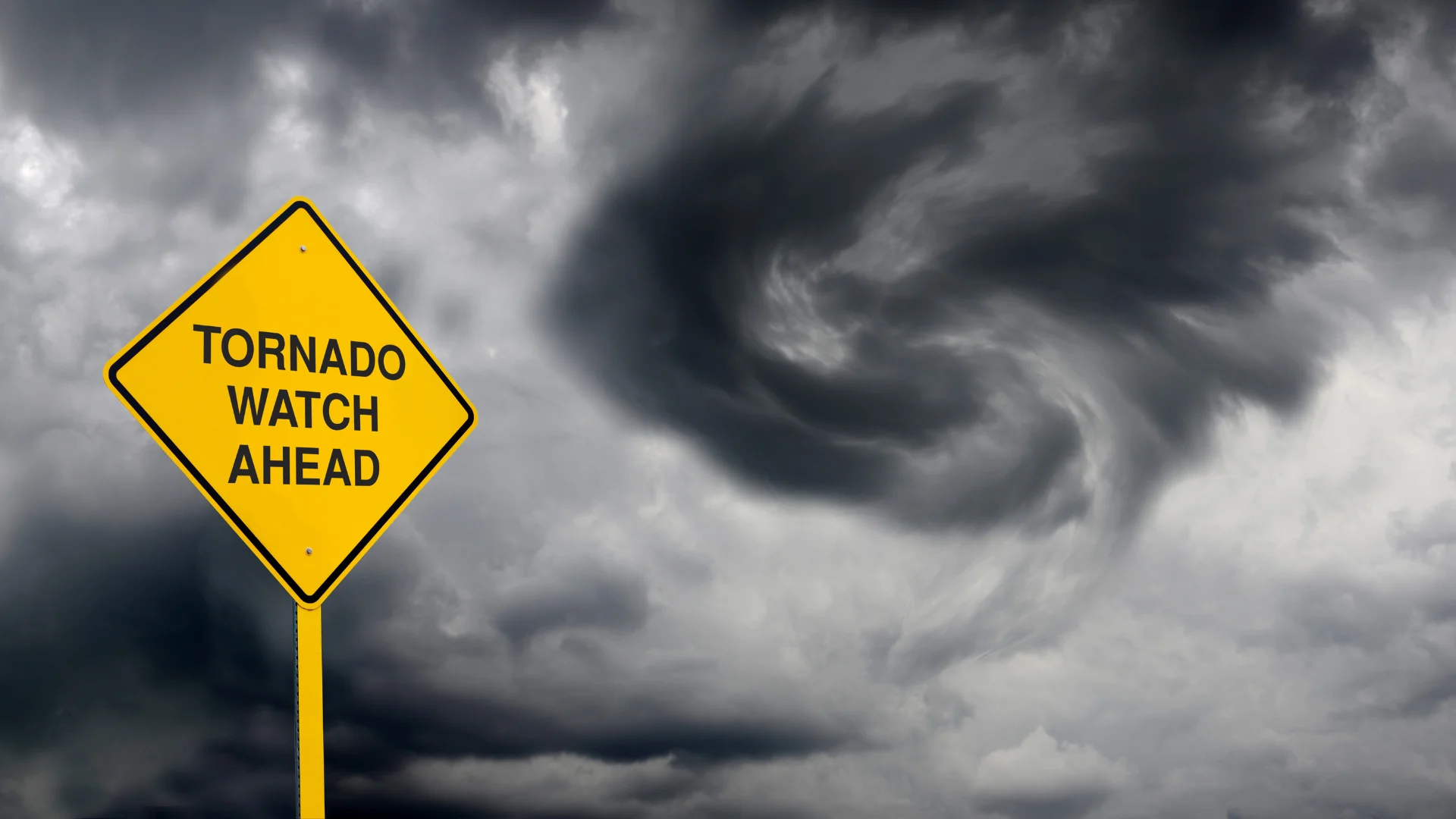
Tornadoes are among nature’s most powerful and unpredictable forces. Every year, hundreds of twisters carve paths across the United States, leaving destruction in their wake. But when is tornado season, and why does it matter so much for those who live in high-risk areas? Knowing when is tornado season in the US can make the difference between preparedness and panic. In this post, we’ll explore when and where tornadoes are most likely to form, what causes them, and how their patterns are shifting in recent years.
What Causes Tornadoes?
Tornadoes form when specific atmospheric conditions create intense rotation in a storm. Typically, tornadoes are caused by the collision of warm, moist air from the Gulf of Mexico with cold, dry air from the north, creating instability in the atmosphere. Strong wind shear-changes in wind speed and direction with height-causes the storm to rotate, forming a supercell thunderstorm. Within this rotating storm, a column of air can tighten and accelerate, eventually touching the ground as a tornado. Other contributing factors include strong updrafts, frontal boundaries, and low-pressure systems, all of which can combine to produce the violent winds and funnel-shaped clouds that characterize tornadoes.
What Is Tornado Season?
To understand when is tornado season, it helps to know what drives tornado formation. Tornadoes occur when warm, moist air from the Gulf of Mexico collides with cold, dry air from Canada, creating intense instability in the atmosphere. This clash is most common in late spring and early summer, when temperature contrasts are greatest.
Meteorologists typically define tornado season as the period of the year when tornadoes are most frequent. However, because the United States covers a vast range of climates, when is tornado season varies significantly by region.
When Is Tornado Season in the US?
So, when is tornado season in the US exactly? For most of the country, tornado season runs from March through June, peaking in May. This is when the Great Plains-often called “Tornado Alley”-sees the majority of its twisters. However, different regions experience peak activity at different times:
- Southern Plains (Texas, Oklahoma, Kansas): April to June
- Southeast (Mississippi, Alabama, Georgia): March to May
- Midwest (Iowa, Illinois, Indiana, Ohio): May to June
- Northern Plains & Upper Midwest (Dakotas, Minnesota): June to July
- Gulf Coast & Florida: Tornadoes can occur year-round, with a secondary peak in late fall
So, if you’ve ever wondered when is it tornado season near you, the answer depends on your location-but springtime remains the most active period nationwide.
When Is Tornado Season 2026 Expected to Peak?
For those wondering when is tornado season 2026, current climate outlooks indicate a pattern similar to previous years, with activity generally beginning in March and reaching its peak from late April through May. Meteorologists consider factors such as sea surface temperatures and large-scale climate patterns like El Niño and La Niña to estimate the potential intensity and frequency of tornadoes.
During La Niña years, cooler Pacific waters tend to enhance atmospheric instability over the central United States, often resulting in more frequent and stronger tornadoes. In contrast, El Niño years can suppress tornado activity in the Great Plains while shifting the risk toward the Southeast.
While these trends provide useful guidance, it’s important to remember that tornadoes can develop anytime and anywhere given the right atmospheric conditions. Understanding when tornado season occurs in the United States in 2026 remains essential for staying prepared and safe.
How Many Tornadoes Occur Each Year?
According to the National Weather Service (NWS), the United States averages 1,200 tornadoes per year-the highest number of any country in the world. Roughly 70% of all global tornadoes occur in the U.S. The month of May consistently records the highest number of tornadoes, with an average of 275 twisters nationwide.
Interestingly, while Tornado Alley remains the most famous region, recent data shows a noticeable eastward shift. States like Tennessee, Kentucky, and Mississippi have seen more tornado outbreaks in the last decade, leading some experts to refer to this region as “Dixie Alley.”
When Is Tornado Season Over?
Knowing when is tornado season over is just as important as knowing when it begins. Typically, tornado activity starts to decrease by late June in the southern and central Plains and by early July in the Midwest. However, this doesn’t mean tornadoes disappear completely.
Fall can bring a secondary tornado season-especially across the Southeast-between October and December when cold fronts clash with lingering warm air. Therefore, when is the end of tornado season depends heavily on where you live, but most of the U.S. sees a sharp decline in tornado activity by midsummer.
Tornado Hotspots: Where Are They Most Common?
If you’re wondering when is tornado season in America, it’s also helpful to know where they strike most often. The traditional Tornado Alley includes:
- Texas
- Oklahoma
- Kansas
- Nebraska
- South Dakota
However, Dixie Alley-covering parts of Mississippi, Alabama, Georgia, and Tennessee-has seen an increasing number of deadly tornadoes in recent years, often due to nighttime storms and higher population density.
Tornado Safety Tips During Peak Season
During the height of tornado season, preparation is key. Here are a few life-saving steps recommended by the National Oceanic and Atmospheric Administration (NOAA):
- Monitor weather alerts from trusted sources like NOAA or the National Weather Service.
- Identify a safe room, ideally a basement or interior room on the lowest floor.
- Keep an emergency kit with water, flashlights, batteries, and first aid supplies.
- Avoid windows and cover yourself with sturdy protection (helmet, mattress, or blankets).
- Have a communication plan in place for your family.
Key Takeaways on Tornado Season Timing
So, when is the tornado season? While tornadoes can happen at any time, the most active months are March through June, with May being the peak across much of the nation. Still, every year brings variations due to shifting weather patterns and climate influences.
By understanding when is tornado season in America, communities can better prepare, reducing loss of life and property damage. Awareness, preparation, and respect for the power of nature are the best defenses against these violent storms. Whether you’re asking when is tornado season?, when is tornado season over, or even when is tornado season 2026, one truth remains: staying informed saves lives.